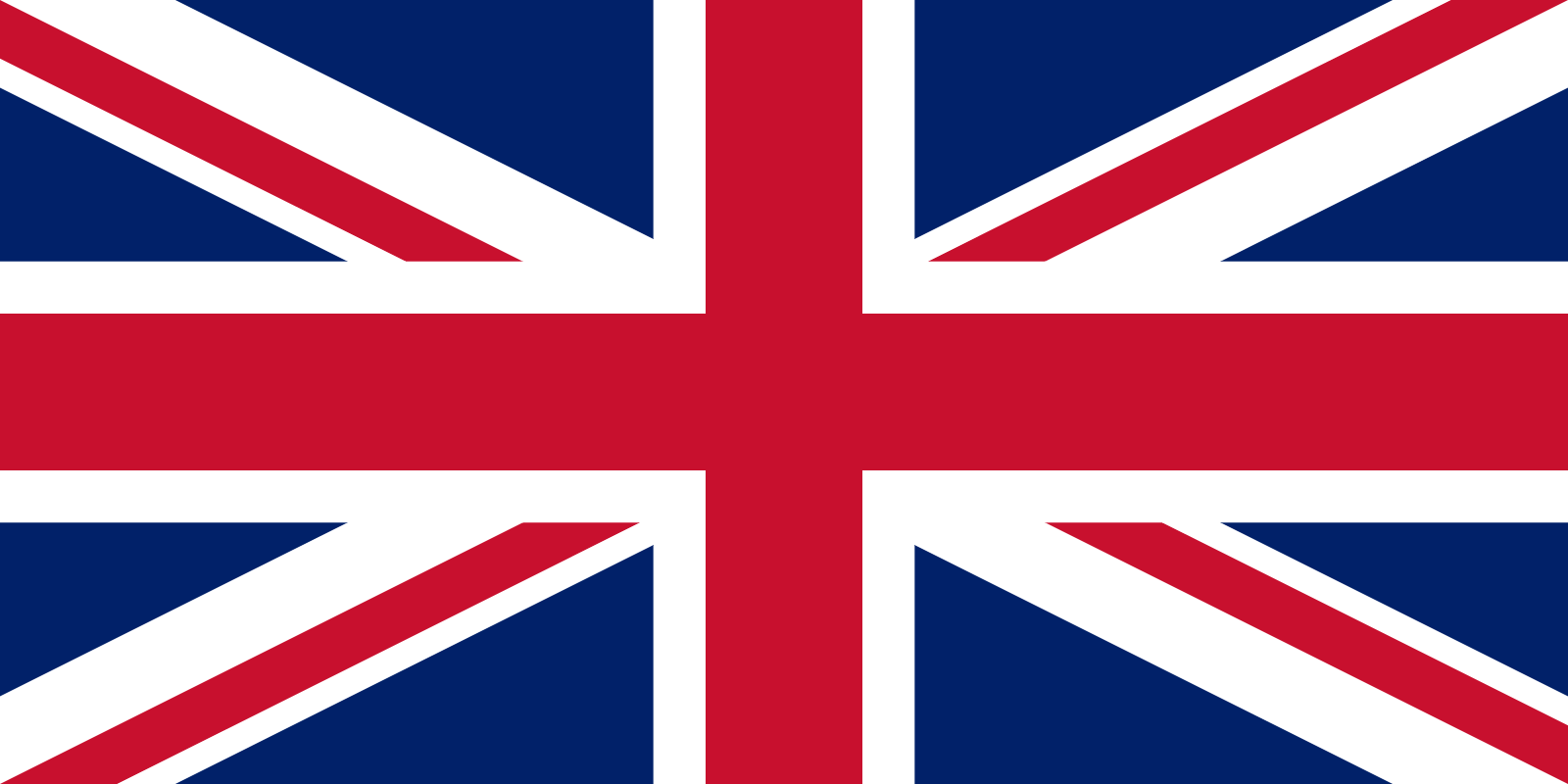
Reports published in August 2026 said the UK was preparing public messaging encouraging households to keep basic emergency supplies at home.
That news attracted attention because food and water stockpiling can easily be interpreted as a warning that supermarket shortages are imminent.
The distinction is important.
Emergency preparedness and a confirmed national food shortage are two different things.
What was reported in August
Semafor and other outlets reported that the UK was preparing a campaign encouraging households to keep basic supplies, including food and water.
The reporting should be treated as reporting unless and until the government publishes a final, current campaign and detailed guidance.
That is especially important because preparedness policy can change.
Why governments encourage emergency supplies
A household reserve can help during many types of disruption:
- severe weather;
- power outages;
- water interruptions;
- transport problems;
- temporary local shortages;
- or other emergencies.
The purpose is generally to give households a buffer while normal services recover.
It does not require the assumption that a nationwide supermarket shortage is coming.
What should households actually do?
The sensible approach is gradual preparation.
Choose foods that the household already eats and that can be stored safely.
Keep a manageable supply of drinking water.
Rotate older products into normal meals and replace them.
Avoid buying far more than the household can use.
Preparedness works best when it is part of normal household planning rather than a reaction to one alarming news cycle.
What about the UK’s food supply?
The UK is highly connected to international food and agricultural markets.
That means prices can be affected by energy, shipping, weather and exchange rates even when domestic supermarket shelves remain supplied.
The important risk for many households may therefore be affordability and temporary logistics disruption rather than a prolonged absence of basic foods.
Drought and weather risk
Weather still matters.
Dry conditions can affect domestic crops, livestock, water resources and farm costs.
But a weather shock does not automatically create a nationwide food shortage. The size of the effect depends on the affected crop, storage, imports and alternative suppliers.
How to read stockpile headlines
When a headline says “Britain told to stockpile food,” ask:
Was the guidance officially published?
What quantity was actually recommended?
Was it for a specific emergency scenario or general resilience?
Did the same government source say there was an existing food shortage?
These questions prevent preparedness reporting from becoming unnecessary alarm.
A practical emergency pantry
A sensible short-term pantry can include shelf-stable foods such as canned goods, rice, pasta, cereals and foods that require little or no cooking.
Households should also consider dietary requirements, water, medicines and cooking arrangements during a power cut.
There is no single perfect list for every household.
What to monitor next
Follow current GOV.UK emergency-preparedness guidance rather than relying on older social-media posts or secondary summaries.
For the wider stockpiling debate, read Why Are People Stockpiling Food in 2026?.
Bottom line
The August 2026 reports are relevant because they show how emergency preparedness has entered the public conversation.
They should not be treated on their own as evidence of a national food shortage.
The useful message is simpler: prepare reasonably, follow current official guidance and avoid buying more than you actually need.